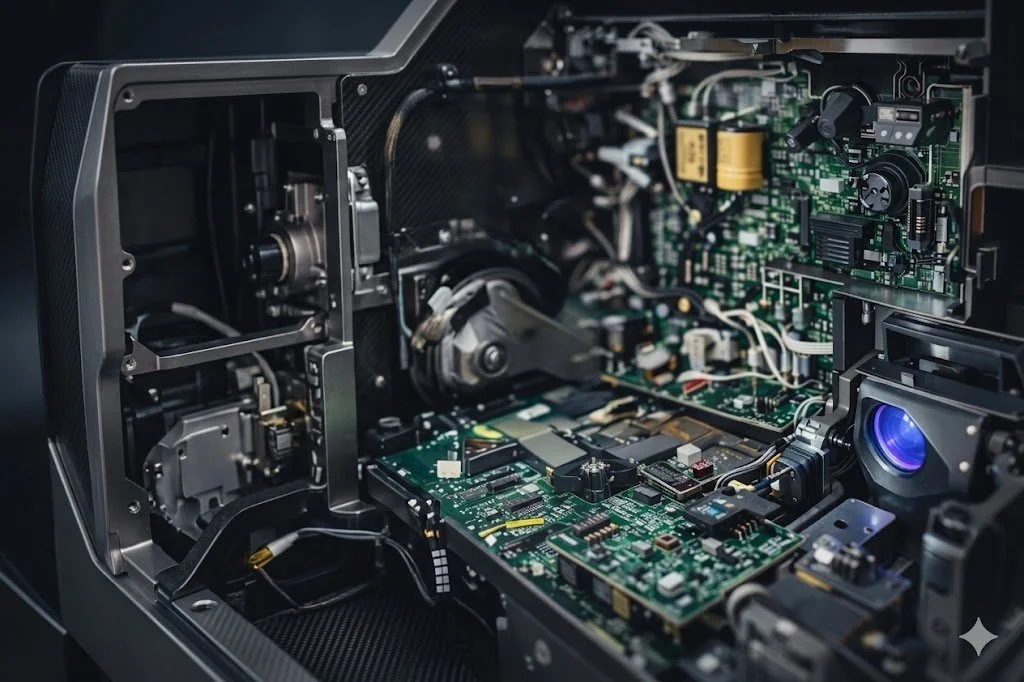
Engineered in Excellence
Your equipment keeps your practice running. When it's down, you lose revenue, appointments, and patient trust. ThriveTech provides end-to-end equipment support through a nationwide network of experienced biomedical engineers and technicians — so you can focus on your patients, not your machines.
Our Services
Equipment Repair
When a device goes down, every hour costs you money. ThriveTech delivers fast, reliable repair services for medical and aesthetic equipment across all major manufacturers and platforms.
Diagnosis and troubleshooting of mechanical, electrical, optical, and software faults
Component-level repair including laser tubes, handpieces, RF generators, power supplies, and control boards
OEM and high-quality aftermarket parts sourced and supplied directly — no hunting down vendors on your own
Emergency and priority repair scheduling to minimize downtime
Post-repair functional testing and performance verification before the device goes back into service
We service lasers, IPL systems, RF and microneedling devices, body contouring machines, cryotherapy units, HIFEM and EMS platforms, and more.
Equipment Installation & Commissioning
Whether you're adding a new device to your practice or relocating existing equipment, proper installation is critical to performance, safety, and warranty compliance.
Site assessment and preparation guidance including power, cooling, ventilation, and space requirements
Uncrating, assembly, and physical setup
Electrical and plumbing connections per manufacturer specifications
Initial calibration, safety testing, and performance verification
Operational walkthrough and staff orientation on basic device use and daily checks
Documentation of installation for warranty and regulatory records
Preventative Maintenance
Unplanned downtime is expensive. A structured preventative maintenance program keeps your equipment running reliably, extends its lifespan, and keeps you compliant with manufacturer and regulatory requirements.
What our PM program includes:
Visual inspection for wear, damage, loose connections, corrosion, leaks, and labeling integrity
Functional testing to verify device performance, alarms, display accuracy, control functions, and safety interlocks
Calibration and verification of sensors, meters, and measurement systems per manufacturer tolerances
Scheduled replacement of wear items including belts, filters, batteries, seals, and consumables before they fail
Cleaning and infection-control procedures appropriate to each device type
Software and firmware verification with manufacturer-approved updates applied as needed
Detailed service reports documenting findings, corrective actions, parts used, and next scheduled service date
Why it matters:
Reduces risk of device-related injury, infection, or liability
Prevents costly emergency repairs and unplanned equipment replacement
Supports accreditation and compliance with manufacturer maintenance requirements
Extends useful equipment life and preserves your investment
Keeps your schedule running without surprise cancellations
Equipment Decommissioning & Relocation
Moving or retiring a device involves more than unplugging it. ThriveTech handles safe disconnection, transport preparation, and reinstallation at a new site — or proper decommissioning and disposal when a device reaches end of life.
Safe electrical and mechanical disconnection
Packaging and transport-ready preparation
Reinstallation and recalibration at the new location
End-of-life documentation and disposal guidance
Ongoing Support & Consultation
Remote troubleshooting and phone support to resolve simple issues without a site visit
Equipment assessments and condition reports for purchasing decisions or insurance purposes
Guidance on service intervals, parts sourcing, and device lifecycle planning
Custom service agreements tailored to your practice size and equipment inventory
Why ThriveTech
Nationwide coverage — Qualified technicians across multiple states, not just one local market
All parts included — We source and supply every part needed for the job, no surprises
Industry expertise — Built by professionals with deep experience in medical and aesthetic device service
Flexible scheduling — We work around your patient schedule, not the other way around
One point of contact — You call us, we handle everything from diagnosis to parts to dispatch
Equipment We Service
We support a wide range of medical and aesthetic platforms including but not limited to:
Aesthetic lasers (Candela, Cynosure, Cutera, Alma, Lumenis, Sciton, and more)
IPL and light-based systems
Radiofrequency and microneedling devices
Body contouring and sculpting platforms (CoolSculpting, truSculpt, Emsculpt, and others)
Cryotherapy and cryolipolysis equipment
HIFEM, EMS, and muscle stimulation devices
Tattoo removal lasers
Skin resurfacing and fractional systems
Vascular and pigmentation treatment devices
Don't see your device listed? Contact us — chances are we can service it.
Get a Quote
Equipment down or due for service? Tell us what you have, what's going on, and where you're located. We'll get back to you with a quote and a plan.
Comprehensive Support
Expertise Grounded in Technical Rigor
Our team has applied decades of training and experience to ensure devices operate at peak efficiency.
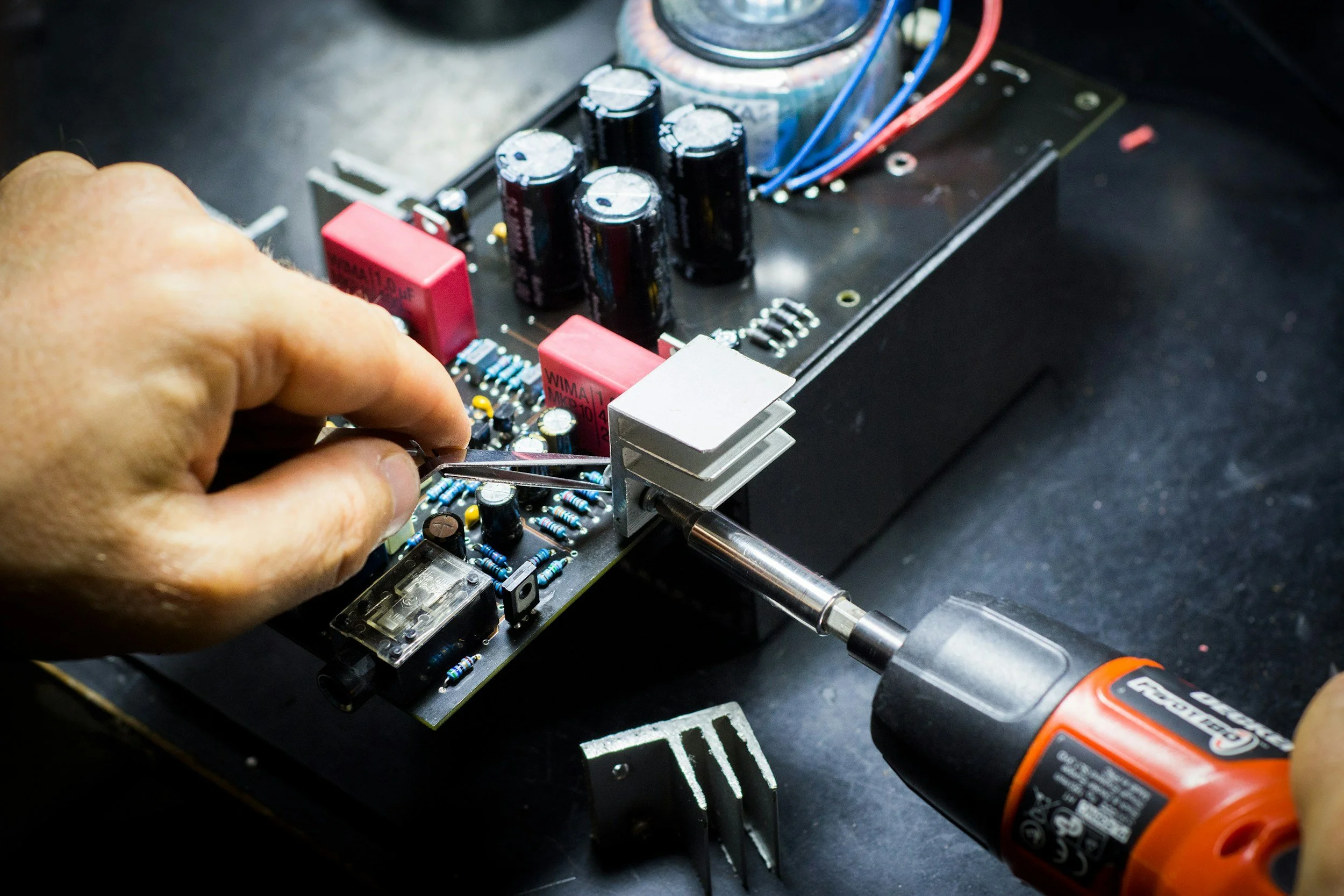
Initiate a Service Inquiry
Provide device details and service requirements to facilitate a prompt response from our team.